Guide
How to determine your grass type
Cool-season vs warm-season cues, blade shapes, and common mix-ups.
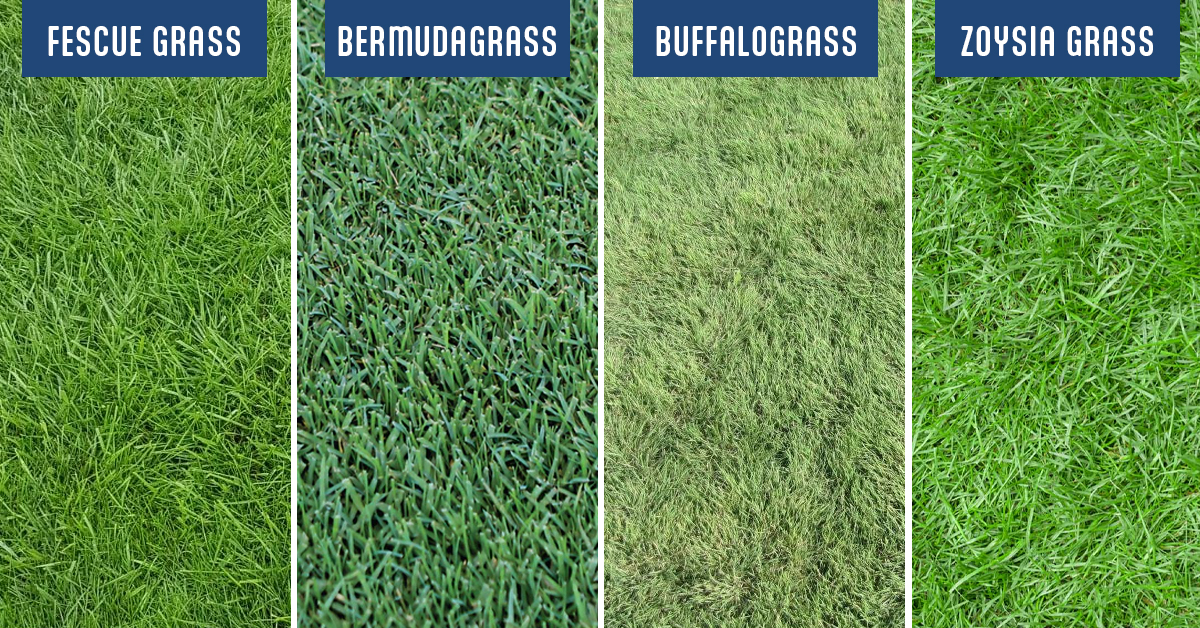
Turfgrass falls broadly into cool-season (Kentucky bluegrass, perennial ryegrass, fescues, and many shaded mixes) and warm-season (Bermuda, zoysia, St. Augustine, centipede, bahiagrass, buffalograss). Products and mowing heights follow those growth cycles—not just your city’s climate average. The comparison photo at the top of this guide shows four turf types from above—use it beside what you see in sun, shade, and thin spots.
Quick field clues
- Cool-season: strongest spring/fall growth; may thin or stress in peak summer heat; ryegrass tips often boat-shaped; fine fescue blades very narrow; tall fescue bunch-type and shade-tolerant in mixes.
- Warm-season: loves heat; often straw-brown when fully dormant in cold winters; Bermuda fine and dense; St. Augustine wide blades; zoysia between; buffalograss fine and drought-adapted where summer dominates.
- Mixtures: shady cool-season under trees + warm-season in sun is common—pick the species that dominates the maintained area for playbook timing.
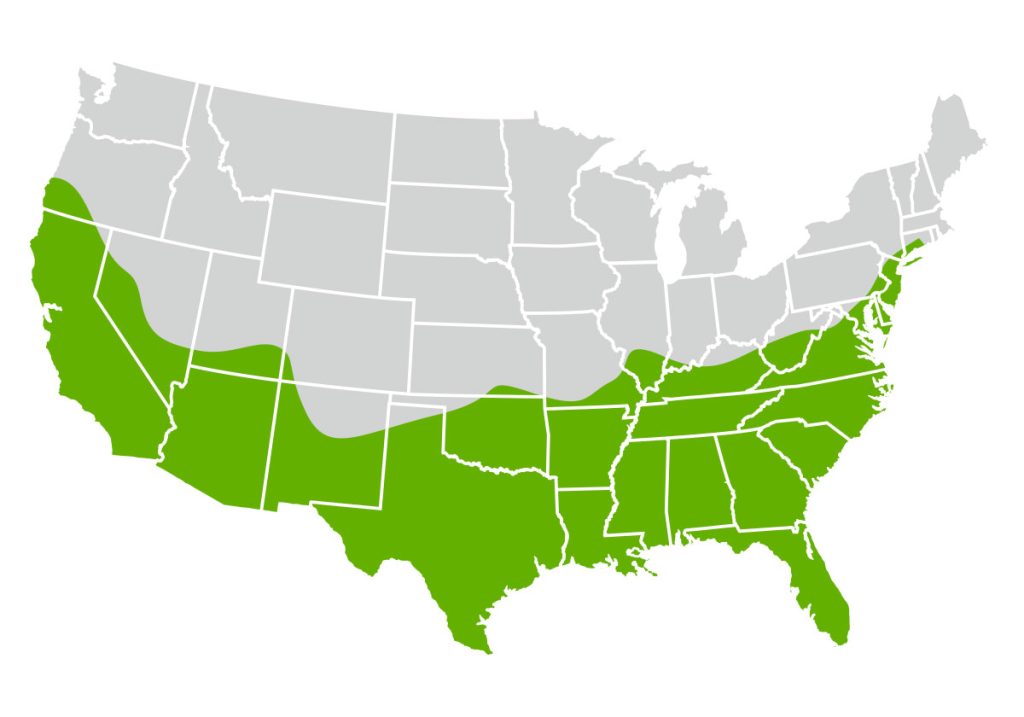
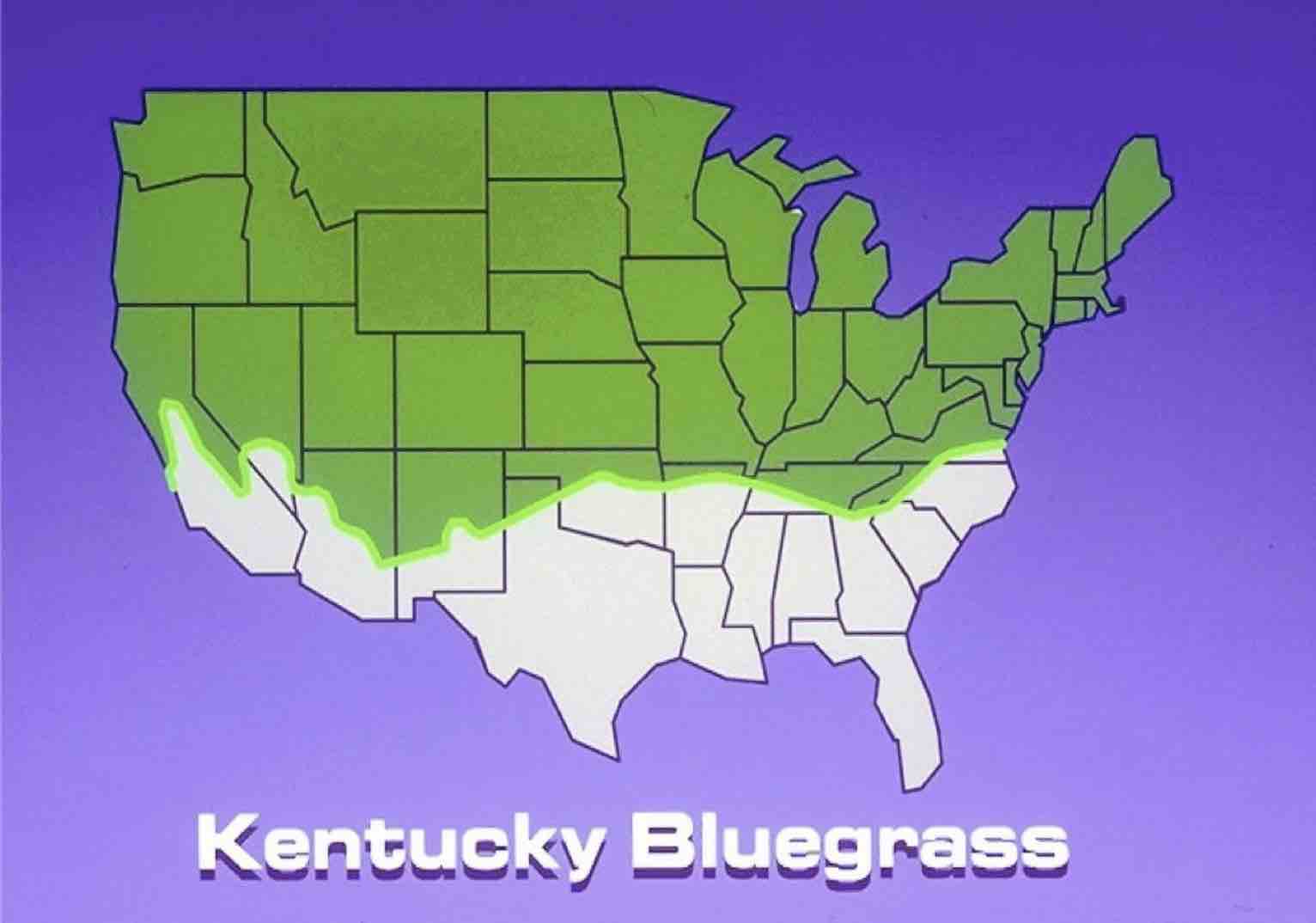
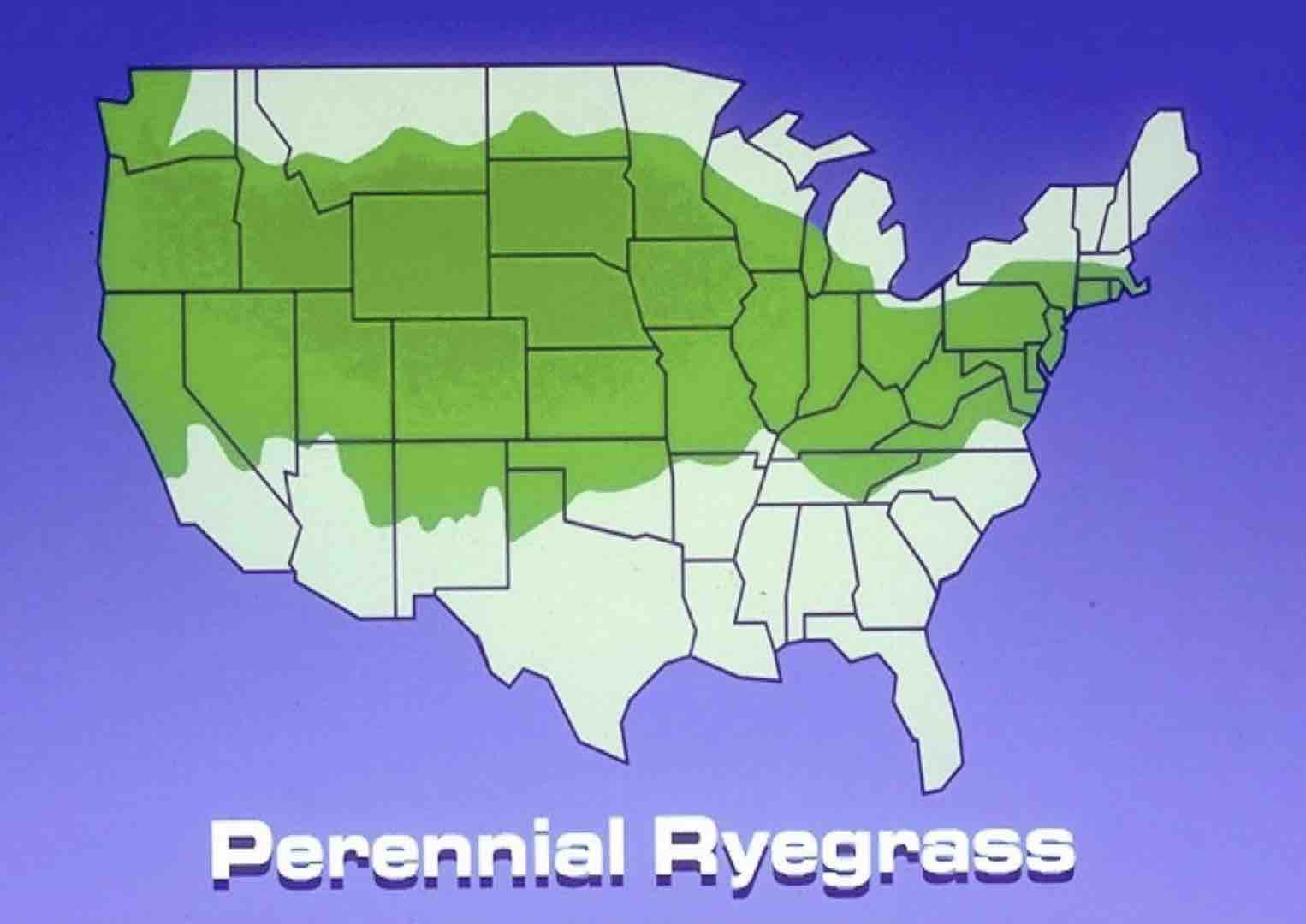
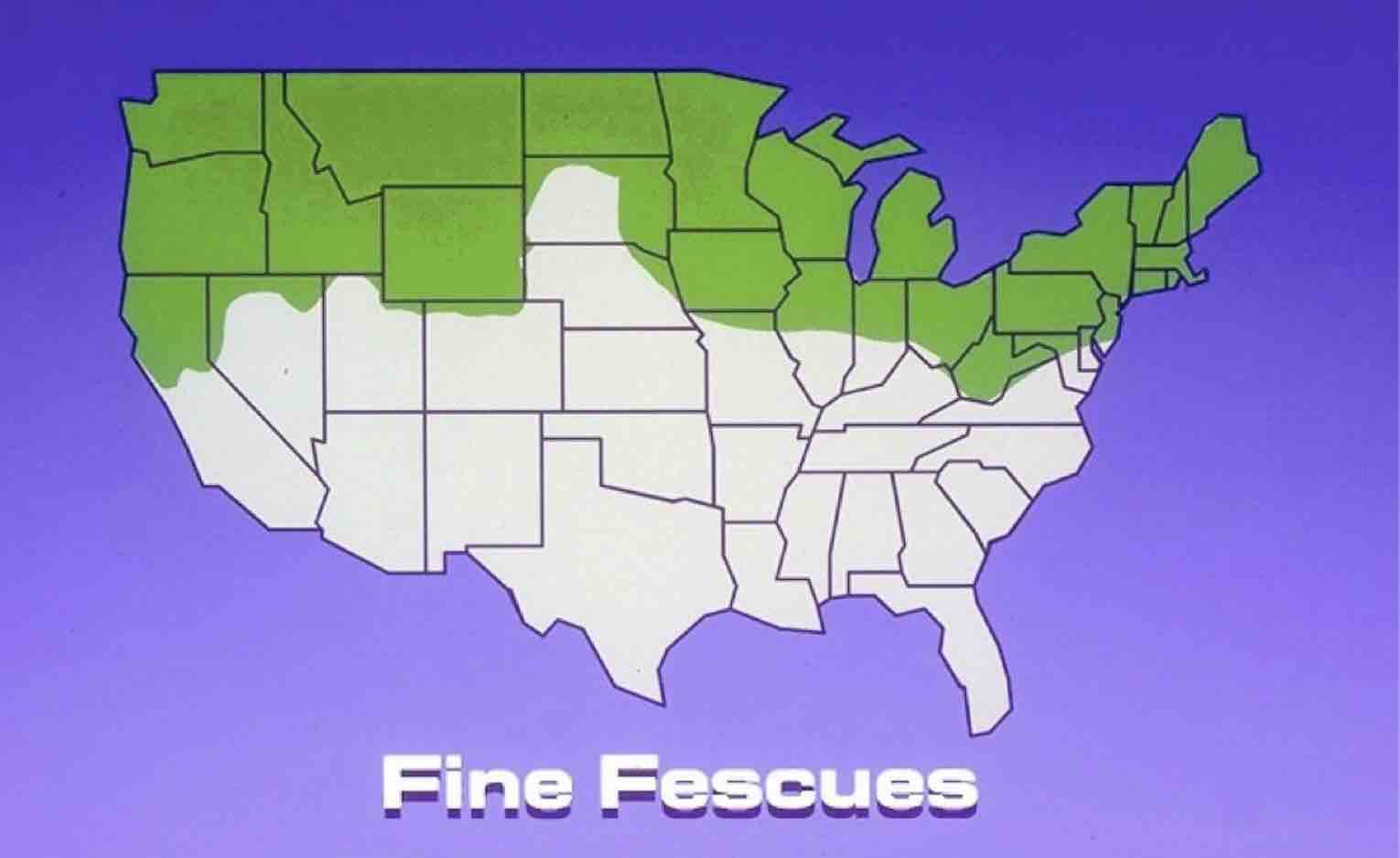
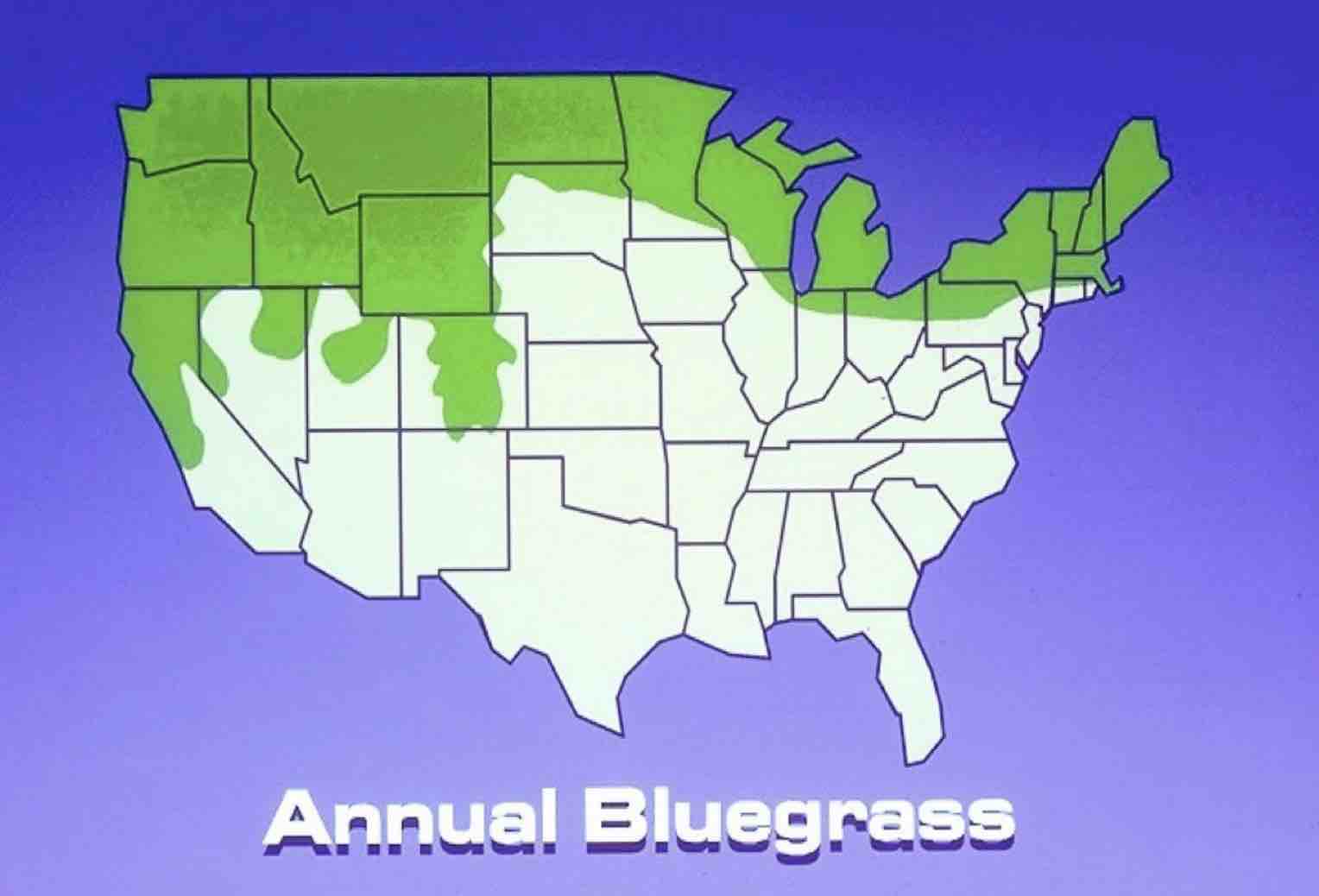
Where species typically thrive (illustrative)
These maps compress a huge continent—elevation, irrigation, urban heat, and shade beds change results street by street. Use them as a cross-check with what you see walking your lawn, not a verdict from space.
If you’re unsure
Choose the species group that matches when your lawn actually greens up and handles heat. Adjust later—getting hemisphere + rough species group right matters more than perfect ID on day one.