Guide
How to find your soil type
Jar tests, feel methods, and what to do with the answer.
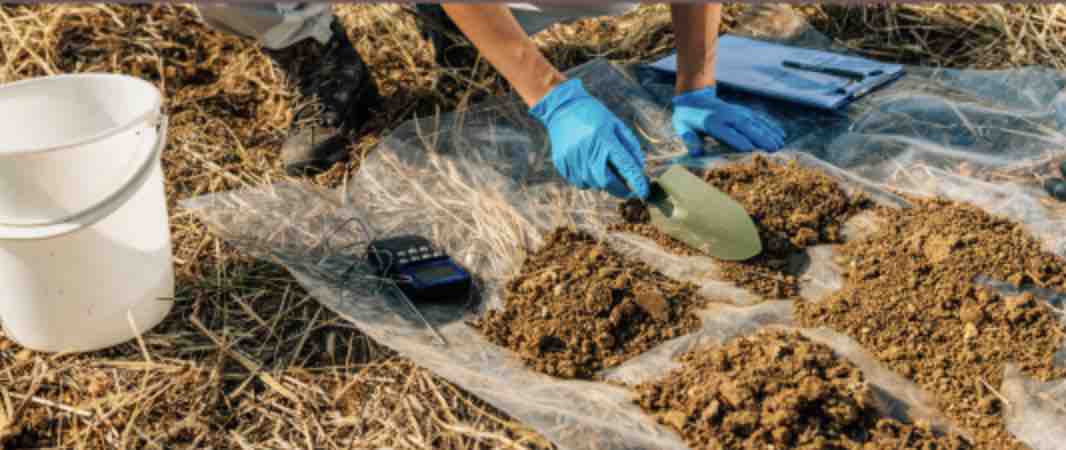
Knowing whether your soil leans sand, silt, or clay changes how fast water moves, how often you irrigate, and how fertilizer behaves. You don’t need a lab on day one—start with what you can observe and refine later.
Jar test (quick texture estimate)
- Dig a small sample from 4–6 inches deep (avoid only the very top inch).
- Place a few tablespoons in a clear jar, fill ~⅔ with water, cap, and shake hard.
- Let it settle: sand drops first, then silt, then clay on top.
- Rough bands: mostly sand = fast drainage; thick clay layer = slow drainage and more disease risk if over-watered.
Feel method (NRCS texture by hand)
Wet a small handful until it’s like modeling clay. Sand feels gritty; silt feels smooth; sticky and shiny = more clay. Loam is a workable middle that holds shape but doesn’t stay slick forever.
What to do with the answer
- Sand / fast drainage: water moves through quickly—short, more frequent irrigation may waste less than one long soak.
- Clay / slow drainage: avoid constant light sprinkles; reduce compaction; watch fungus when leaves stay wet overnight.
- Rocky or thin soil: prioritize drought stress cues before pushing growth.
GrassGuidePro lets you tick multiple soil textures because real lawns often mix zones (low wet corner vs sunny baking strip).